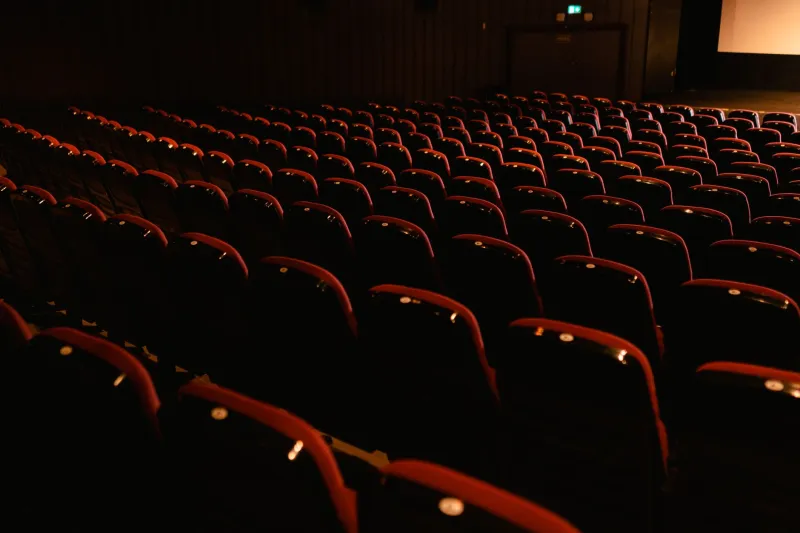
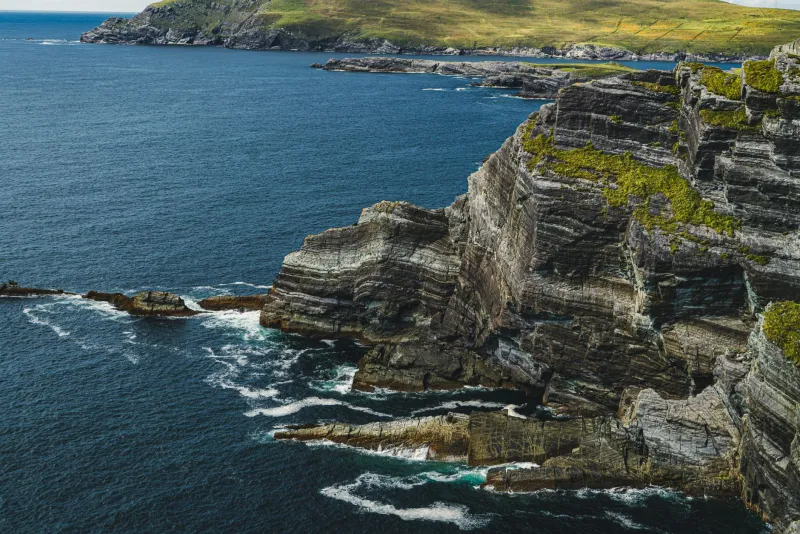
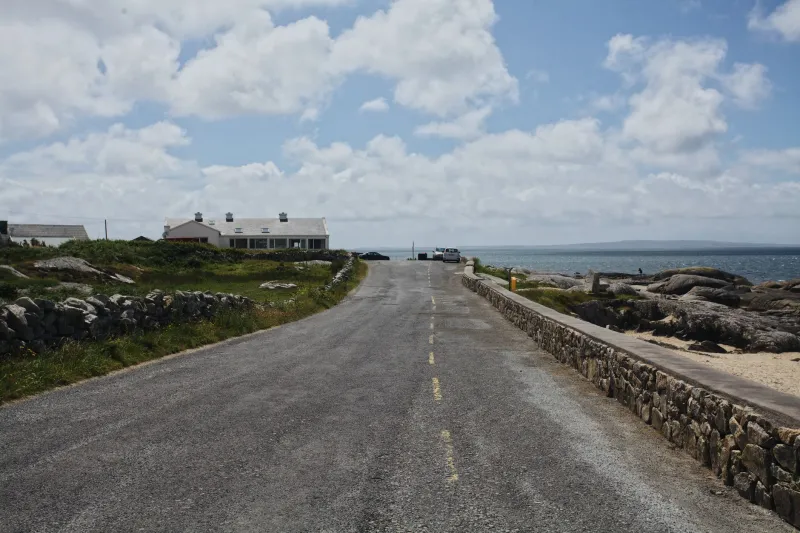
Four Walls and a Multiplex: The Secret Theatrical Machinery Behind McDonagh's Films
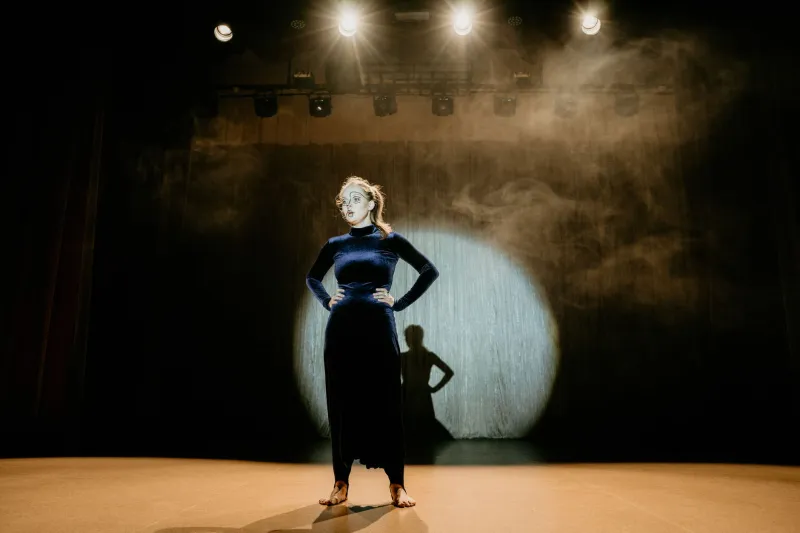
There's a moment in nearly every Martin McDonagh film where you can hear the theatre creak. Not literally — though given his fondness for draughty cottages, it's often close — but structurally. Two people in a room. One of them talking. The other one not. And somewhere in that silence, a confession arrives like a delivered parcel nobody signed for.
If you first encountered McDonagh at the National Theatre or a regional production of The Pillowman, you'll recognise the machinery immediately. If you know him from the cinema, you may have assumed he'd abandoned all that. He hasn't. He's just been very polite about it.
The Two-Hander Never Died
McDonagh's films are often praised as cinematic, and they are — gorgeously shot, usually by cinematographers who understand that a vast Irish or American landscape can be its own punchline. But strip away the wide shots and what remains is a stage play wearing a very convincing film costume.
In Bruges is, at its bones, a two-hander with a body count. Colin Farrell and Brendan Gleeson bickering in a hotel room is Leenane with better weather and worse tourists. The Banshees of Inisherin goes further: it's essentially a breakup play between two men and a donkey, staged on an island that functions as one enormous, windswept set with no wings and no escape.
Even Three Billboards, his most American film, is built from duets. Mildred and the priest. Mildred and the chief. Mildred and anyone foolish enough to sit down near her. The camera may travel, but the conversations stay nailed to the floor like good stage furniture.
The Confession Monologue: A Signature, Not a Habit
Then there's the monologue — McDonagh's most reliable import from the theatre. Characters in his films don't so much talk as deliver. Think of Gleeson's Ken explaining the ethics of the job while walking Bruges' medieval lanes, or the escalating confession scenes that punctuate The Lieutenant of Inishmore and Hangmen alike.
On stage, the monologue is a practical necessity: the audience is stuck with you, so you'd better be interesting. On screen, it's a choice — and McDonagh keeps making it, film after film, because it's where his dialogue sings loudest. The rhythm is theatrical: setup, reversal, and a last line that lands with the force of a dropped pint glass.
Violence, Staged Rather Than Shown
His handling of blood is the other giveaway. McDonagh's most shocking acts tend to happen off-screen or just at the edge of it — a sound, a reaction, a door. That's not squeamishness; that's stagecraft. It's the old Greek principle filtered through a Galway accent: the worst thing is the thing you imagine, and your imagination is crueller than any effects budget.
When violence is shown, it tends to be abrupt, unglamorous and darkly funny in the way that only live theatre can get away with. The audience laughs, then feels appalled at themselves. That contract — laugh now, feel guilty in the car park — was signed decades ago at the Druid Theatre and has never been renegotiated.
Why Not Simply Choose?
Some creators straddle stage and screen and end up doing neither particularly well. McDonagh's trick is that he's never really straddled anything. He writes the same play over and over — isolation, cruelty, tenderness, a punchline with a knife in it — and simply decides how big the room should be. Sometimes it's a cottage. Sometimes it's a country.
For UK audiences who've queued for both the multiplex and the matinee, that's the quiet pleasure of his career: you never have to pick a side, because he never did. The fourth wall isn't broken in his films. It's just been quietly unscrewed and carried to the next location.