The Town That Wasn't on the Map Until the Whole of Britain Was Quoting It
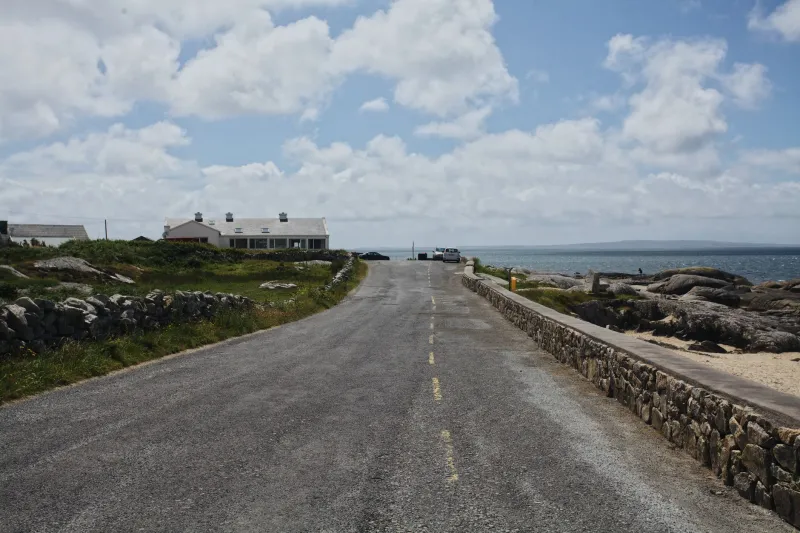
There's a peculiar magic to the fact that one of the most successful bodies of work in modern British theatre history is set almost entirely in a village most Brits couldn't find on a map. Leenane — the real one — sits at the head of Killary Harbour in County Galway, population somewhere south of 200. The Leenane of Martin McDonagh's imagination, however, has played to more people than most Premier League clubs manage in a season.
How exactly did that happen? How did a playwright then in his twenties, armed with stories about murder, gossip and questionable cheese, convince British audiences that what they desperately needed was ninety minutes of rural Irish despair played for laughs?
The Beauty Queen Wows the West End
Start, as everyone does, with The Beauty Queen of Leenane. It landed at the Theatre Royal Drury Lane — of all the gloriously inappropriate venues — in 1996, having already caused a ruckus at Stratford East and the Royal Court. Here was a play about Mag and her long-suffering daughter Maureen, all loneliness, resentment and a Complan-related act of sabotage that still gets nervous laughter from audiences who aren't sure they're allowed to laugh.
And that's precisely the trick. British theatregoers of the mid-nineties were used to Irish drama of a certain earnest stripe — beautifully written, politically weighty, and about as much fun as a wet weekend in Wigan. McDonagh offered something else entirely: cruelty with a punchline. His Leenane was a place where the psalms got misremembered, the confessions were lurid, and the local gossip was a competitive sport. Audiences recognised something in it — not Ireland, exactly, but the universal experience of family as a slow-burning hostage situation.
The critics went daft. Four Tony Awards followed on Broadway, but it was the UK response that set the template. This was a country with its own long tradition of finding comedy in misery — from Steptoe and Son to Mike Leigh — and McDonagh's Leenane Trilogy slotted straight into that sensibility like a well-oiled hinge.
The Stage Expands, the Gloom Deepens
The follow-ups — A Skull in Connemara and The Lonesome West — doubled down. One featured a man re-tending a grave he may or may not have made; the other gave us two feuding brothers, a gun and a priest with a drink problem. British regional theatres lapped it up. You could, for a stretch of the late nineties, barely swing a cat in provincial England without hitting a McDonagh revival.
Part of the appeal was accessibility dressed up as menace. The dialogue — all savage put-downs and non-sequiturs — played to British audiences raised on the sublime rudeness of Only Fools and Horses and the grotesques of The League of Gentlemen. The Leenane plays felt simultaneously alien and weirdly familiar, like overhearing your neighbours having the argument you'd always suspected they were capable of.
From Boards to the Big Screen
Then came the leap to cinema, and the shift from Leenane proper to the fictional island of Inisherin. The Banshees of Inisherin (2022) was, on paper, a hard sell: two men fall out, one threatens to cut off his own fingers if the other doesn't stop being his friend. In practice, it became a global hit and a particular darling of UK audiences, who turned out in numbers you don't usually see for a film subtitled in existential dread.
There's a lovely continuity here. Inisherin isn't Leenane, but it's Leenane's cousin — the same small community where every opinion travels faster than the ferry, where the pub is both church and courtroom, and where a simple falling-out between friends can escalate into something mythic. Colin Farrell and Brendan Gleeson, so memorable in In Bruges, brought the McDonagh rhythm to the screen: the pause before the insult, the tenderness hiding inside the cruelty.
British crowds, in particular, connected with the film's central absurdity — the idea that the most devastating conflicts are often about nothing at all, or at least nothing anyone would put on a plaque. Post-Brexit Britain, watching a civil war brew between two neighbours over pettiness and legacy? Make of that what you will.
Why Britain, Specifically?
There's an old argument that British audiences loved these plays because they saw a version of Ireland that confirmed their expectations — the rural idyll with rot beneath. That's part of it, no doubt. But the truer answer is probably less flattering and more interesting: McDonagh's world is one Britain secretly recognises. The passive aggression. The inability to say what you mean. The neighbour you've been feuding with since 1987 over a fence. Strip out the Atlantic coastline and you've got half the villages in Yorkshire.
His genius — and this is what the Leenane-to-Inisherin arc proves — is that he built a myth out of a place that barely exists, then let audiences on both sides of the Irish Sea see themselves in it. Leenane gave Britain its funniest misery. Inisherin gave it misery's funniest encore.
Not bad for a town you could walk through in ten minutes — if you didn't stop to argue with anyone, which, knowing McDonagh's characters, you absolutely would.
