Sold as a Lark, Delivered as a Wake: Britain’s McDonagh Trailer Problem
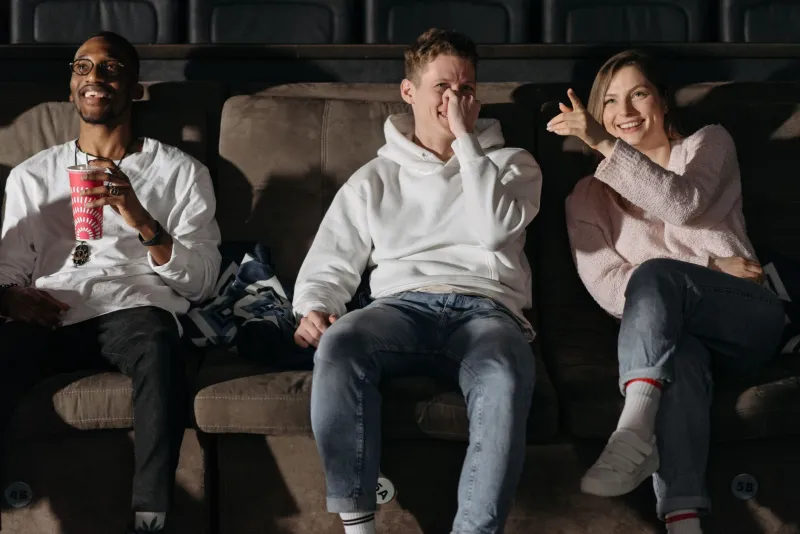
There is a particular sound in a British cinema when a Martin McDonagh trailer plays: the rustle of a nation deciding it has bought a ticket to a lark. The voiceover is breezy. The cuts are quip-heavy. Someone says something cruel in a charming accent, a tin whistle threatens to kick in, and the screen promises two hours of gloriously Irish mischief. Then the film starts, and within twenty minutes you are watching grief, guilt and a man being shot in the eye. It is the oldest trick in the distributor's handbook: sell the laugh, hide the wake.
The Voiceover Says 'Hilarious'. The Film Says 'Bring a Hankie'.
UK marketing for McDonagh has long specialised in the strategic omission. Trailers are legally obliged to represent the film, but not necessarily its emotional weather. A poster can put Colin Farrell and Brendan Gleeson in a warm amber light and imply a buddy movie. It can put Frances McDormand in a rage and imply a righteous revenge romp. What it rarely does is prepare you for the fact that the punchline may involve a child, a dog, or a small portion of a person's face. The result is a peculiar British ritual: audiences arrive expecting a caper and leave quietly rearranging their faces.
In Bruges: A City Break With Extra Bullet Holes
The 2008 campaign for In Bruges is the template. Here was a film about two hitmen hiding out in a Belgian tourist town, and the trailer duly sold it as a laddish city-break comedy: canals, cathedrals, casual racism, and Ralph Fiennes shouting down a telephone. It was not untrue. It was simply incomplete. The film's engine is grief and purgatory; Bruges is less a destination than a waiting room with medieval architecture. Yet the marketing leaned hard on the banter, because banter travels better than despair on a Friday night. British audiences turned up for the one-liners and got a moral hangover. Many loved it. Some felt ambushed.
The Banshees of Inisherin: A Friendship Break-Up, Not a Whimsy
The campaign for The Banshees of Inisherin repeated the trick with more scenery and fewer bottles to the face. Here was a film marketed as a quirky falling-out between two island men, complete with a miniature donkey and a pub. The poster suggested a gentle tragicomedy; the trailer offered fiddles, fog and Farrell's eyebrows doing their best work. What it underplayed was the sheer bleakness: self-mutilation as a hobby, a pervasive sense of loneliness, and an ending that lands like a wet coat. British cinemas filled with people who had brought their parents for a nice night out. You could hear the collective internal monologue: this is not the film the nice man on the telly promised.
Three Billboards: A Revenge Comedy With a Body Count
Three Billboards Outside Ebbing, Missouri arrived with a campaign that leaned into McDormand's fury and Sam Rockwell's goofy menace. The trailers made it look like a righteous small-town satire, a comedy of bad manners with a mystery at its centre. The film itself is far stranger and sadder: a study of violence, racism, grief and the awful comedy of people trying to be better and failing. It won awards and arguments in equal measure. But the sell was simpler than the substance, because 'furious woman takes on local police' fits on a bus shelter and 'a moral quagmire dressed as a revenge plot' does not.
Why the Mismatch Works, Sort Of
None of this is unique to McDonagh. British distributors have been selling bleak films as feelgood nights out since the invention of the orange ticket. But McDonagh is a special case because his films are genuinely funny. The quips are real. The cruelty is real too. A trailer that emphasises the former is not lying so much as telling a half-truth with excellent editing. The British public, raised on a diet of dark comedy from Ealing to Peep Show, likes to think it can handle the turn. Sometimes it can. Sometimes it spends the drive home saying, 'Well, I didn't expect that.'
The reputational miracle is that McDonagh survives the campaigns. Audiences forgive the bait-and-switch because the films are good, and because word of mouth eventually corrects the record. A friend tells you it is not really a comedy. A review mentions the body count. The film's reputation settles into something more accurate: dark, funny, and not to be watched with your grandmother unless she has a strong stomach and a taste for Connemara bleakness.
The British Art of the Bait-and-Switch
So next time a trailer promises a whimsical Irish caper, listen for what is missing. The pause before the punchline. The cut that hides the blood. The fiddle music that stops just before someone says something unforgivable. McDonagh's work is not mis-sold by accident; it is mis-sold because the truth is harder to put on a poster. Britain will keep buying the ticket. The trick is to know you are buying a wake with jokes, not a joke with a wake attached.