The Bloody Ledger: A Pub-Quiz Ranking of Martin McDonagh's Casualties

Right. Put down the pint, pick up a pencil, and prepare to argue. As of 2026, Martin McDonagh has spent roughly three decades turning violence into a punchline and then, just when you have relaxed, into something genuinely upsetting. The Banshees of Inisherin gave the world a donkey with dietary problems. The Lieutenant of Inishmore gave theatre cleaners a reason to ask for a pay rise. This is the unofficial McDonagh casualty league table: part pub quiz, part public information film, entirely unnecessary.
The Scoring System (Patent Pending)
Three points per corpse. Five for a severed digit. Two for an animal casualty, because apparently we are monsters. Bonus points for style, absurdity and the ability to make an audience laugh before the ambulance arrives. Deductions for deaths that happen entirely off-screen or in a character's backstory, unless the backstory is funnier than the on-screen death. No points for critic injuries. They are self-inflicted.
The League Table
| Rank | Work | Casualties | Signature Move | Wince Factor |
|---|---|---|---|---|
| 1 | The Lieutenant of Inishmore | Multiple bodies, multiple cats, one blood-soaked set | Stage carnage with a punchline | 10/10 |
| 2 | The Pillowman | Parents, a brother, several children in stories | Fairy tales that should come with a warning | 9/10 |
| 3 | In Bruges | A priest, a boy, a tower, a shoot-out | Elegant suicide and accidental horror | 9/10 |
| 4 | Hangmen | A hanging, a murder, a rope | The cosiest nightmare in Lancashire | 8/10 |
| 5 | Seven Psychopaths | A shoot-out, a dog, a lot of bad decisions | Cartoon bloodbath with a screenplay | 7/10 |
| 6 | The Banshees of Inisherin | Five fingers, one donkey, one drowning | Quiet self-mutilation as neighbourly dispute | 8/10 |
| 7 | A Skull in Connemara | One wife, several skulls, one hammer | Grave humour, literally | 7/10 |
| 8 | The Beauty Queen of Leenane | One mother, one poker, one burned hand | Domestic tragedy with a kitchen implement | 6/10 |
| 9 | The Lonesome West | One father, one shotgun, one bag of crisps | Fratricidal farce | 6/10 |
| 10 | Three Billboards Outside Ebbing, Missouri | An off-screen murder, a suicide, a firebomb | Grief with a match | 5/10 |
The Stage: Where Blood Gets a Round of Applause
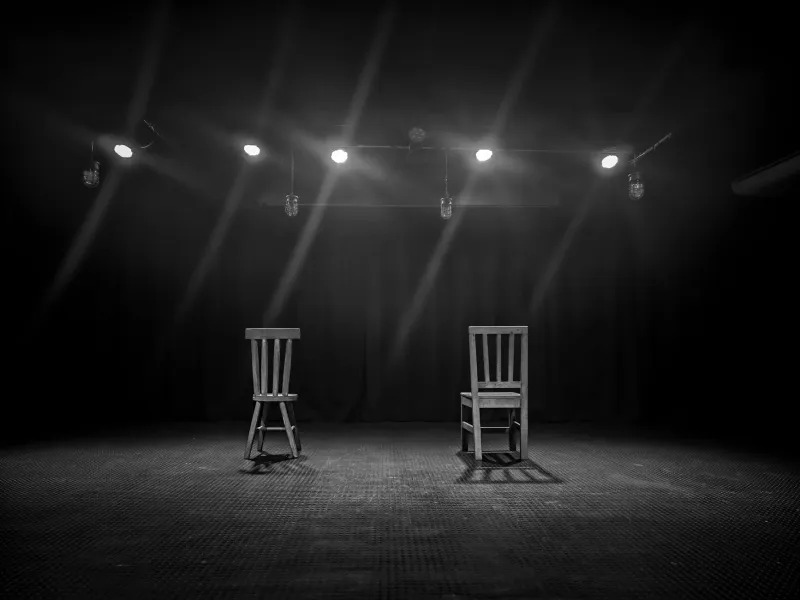
On stage, McDonagh's violence is a social event. In The Lieutenant of Inishmore, the audience does not simply watch a body count; it participates in a collective nervous breakdown. Someone is shot. A cat is involved. The blood is suspiciously bright. The laughter comes because the alternative is to leave. This is the genius of theatre violence: it is live, it is silly, and it is happening in the same room as a woman eating interval ice cream. You can see the splatter. You can also see the stage management. The artifice is the point. McDonagh knows that a corpse on stage is never just a corpse; it is a prop, a punchline, a reminder that tragedy and farce share a dressing room.
UK audiences have a long relationship with this kind of thing. We like our horror with a cup of tea and our murderers with a decent coat. McDonagh's plays fit neatly between the two: the language is lyrical, the mayhem is preposterous, and the laughs are genuinely uncomfortable. The Lieutenant is the clearest example. It is not a subtle play. It is a bloodbath with a monologue. And yet the violence lands as comedy because it is choreographed, communal and just theatrical enough to let us off the hook.
The Screen: Where a Fingertip Does More Damage Than a Machine Gun
Film changes the maths. In The Banshees of Inisherin, Colm does not shoot anyone. He cuts off his own fingers and leaves them on a doorstep like a passive-aggressive delivery. It is one of the most wince-inducing sequences in modern cinema, and it contains almost no blood. The horror is in the silence, the close-up, the idea of a man turning himself into a message. When Jenny the donkey chokes on a finger, the audience makes a sound that no stage blood can produce. It is not a laugh. It is a small, wounded noise.
In Bruges does something similar. The film is full of jokes, but the deaths are not funny in the same way. A boy is shot by accident. Ken falls from a tower. Ray's final moments are a mess of guilt and good manners. McDonagh understands that screen violence is intimate. You cannot see the stage hands. You cannot applaud the choreography. You are simply close to a face as it realises what has happened. That is why his films often feel quieter than his plays. The body count may be lower, but the damage is more personal.
The Missing Finger Appendix
Every pub quiz needs a specialist round. Here is yours. Which McDonagh work features a donkey with a finger-based diet? The Banshees of Inisherin. Which work has the highest ratio of corpses to cats? The Lieutenant of Inishmore. Which work makes a hanging feel like a village fete gone wrong? Hangmen. Which work proves that a bag of crisps can be a murder weapon? The Lonesome West. And which work teaches us that a poker is not just for the fire? The Beauty Queen of Leenane.
Missing fingers deserve their own category. They are McDonagh's favourite punctuation mark. A finger is personal. It is small enough to be carried, horrible enough to be remembered, and practical enough to ruin a musician's career. The Banshees fingers are not just gore; they are a resignation letter written in body parts. That is why they stay with you longer than a stage full of corpses.
The Serious Bit, With a Pint in Hand
Here is the actual point, hidden under the scorecard. McDonagh's violence works because he understands the difference between shock and consequence. On stage, shock is communal. We laugh because we are in a room together, because the blood is fake, because the alternative is to admit that we are watching something awful. On screen, consequence is private. The camera gets close. The joke stops. The finger lands on the doorstep.
That is not a criticism. It is a magic trick. McDonagh can make you laugh at a murder and then make you flinch at a fingertip. He can turn a cat into a running gag and a donkey into a tragedy. The body count is not really the point. The point is that violence, in his hands, is never just violence. It is character, it is comedy, and it is the moment when the pint goes down and nobody says anything.
Now, if you will excuse me, I have a league table to defend and a donkey to toast. Answers on a beer mat.